The Acres Foundation office
411-2/A, Hemu Kalani Marg, Natvar Parikh Chowk, Sindhi Society, Chembur, Mumbai – 400071.
VIEW LOCATION
Write to us

VIEW LOCATION
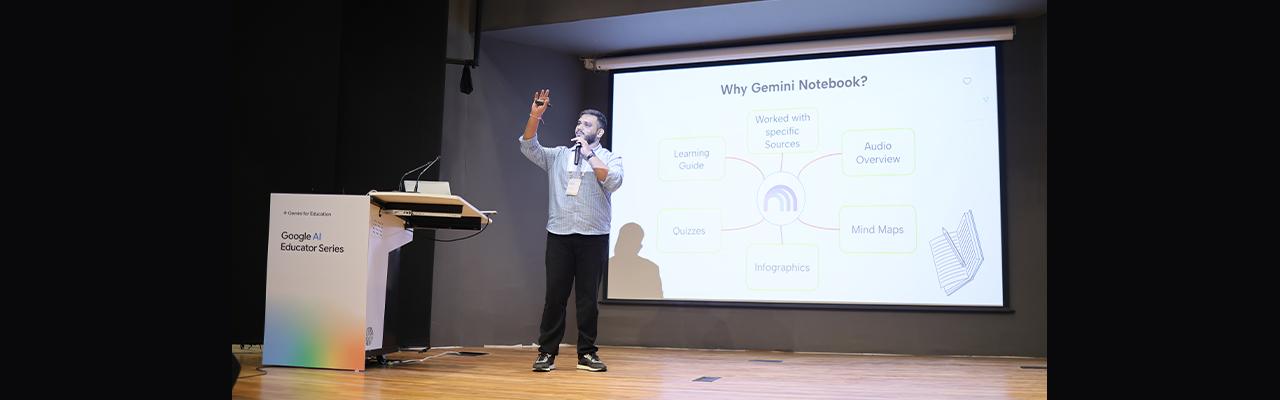
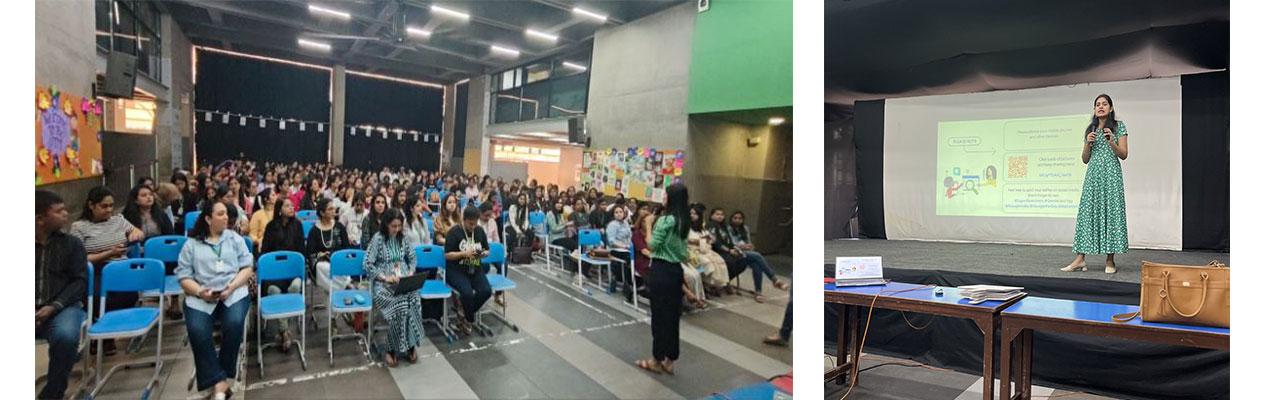
At the Google AI Educator Series Summit at IIT Bombay, The Green Acres Academy and The Acres Foundation shared practical examples of how AI tools are being used to support teaching and learning. Tanmay Mulgund, Instructional Head at TGAA Kalyan, presented to more than 150 Master Trainers from the Maharashtra State Education Department.
The session focused on three use cases using Gemini and NotebookLM, including generating high-quality, curriculum-aligned assessments and translating curriculum content to support students learning in different languages, including translation from English to Thai. The examples highlighted how educators can use AI to make aspects of curriculum design and delivery more efficient and responsive to student needs.
As a Google Reference School and a 1:1 Chromebook school, TGAA continues to learn alongside Google for Education and explore how technology can be used purposefully in classrooms. Regular access to devices gives students and teachers opportunities to integrate digital tools into everyday teaching and learning, while recognising that access to technology varies widely across schools.
The session offered a practical look at what becomes possible when access to technology is paired with thoughtful implementation, while reinforcing the importance of expanding access so that more students and educators can benefit from these opportunities.
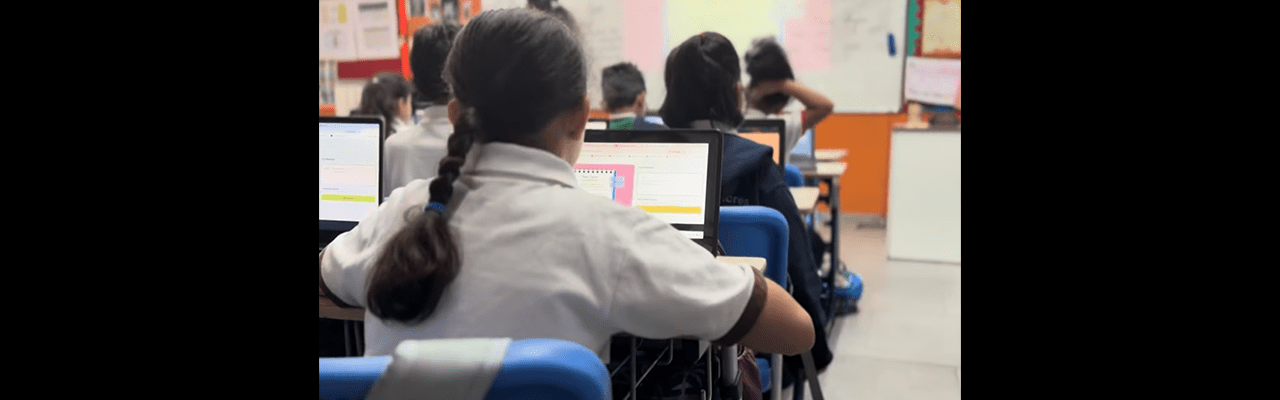
In April, The Green Acres Academy hosted 18 visitors over two days. The visits focused on the implementation of the Acres Future Curriculum and the purposeful use of student devices to support richer access to information, immediate feedback, and student creation through digital tools.
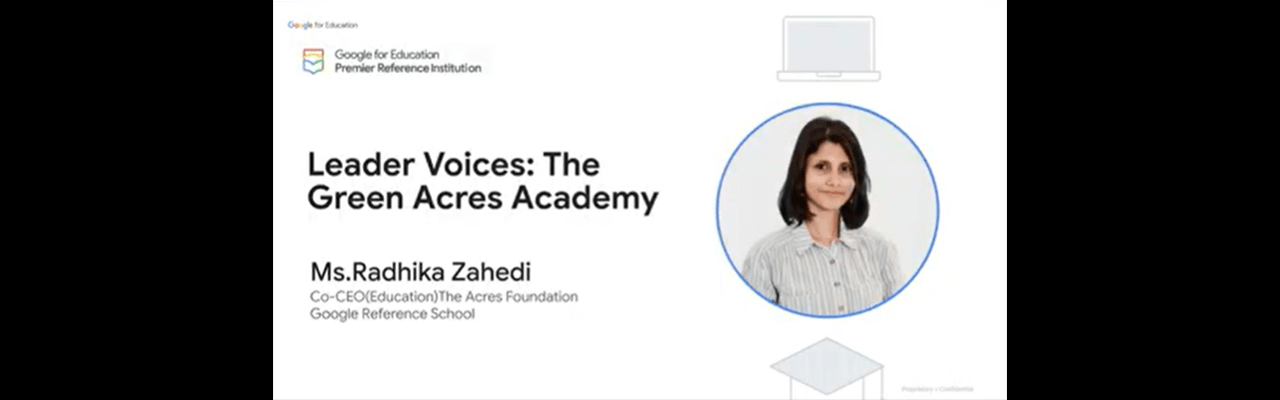
Radhika Zahedi participated in a Google for Education webinar attended by over 200 school leaders and IT educators. She shared The Green Acres Academy’s digital transformation journey, with a focus on how student devices are used purposefully, safely, and responsibly to support learning.
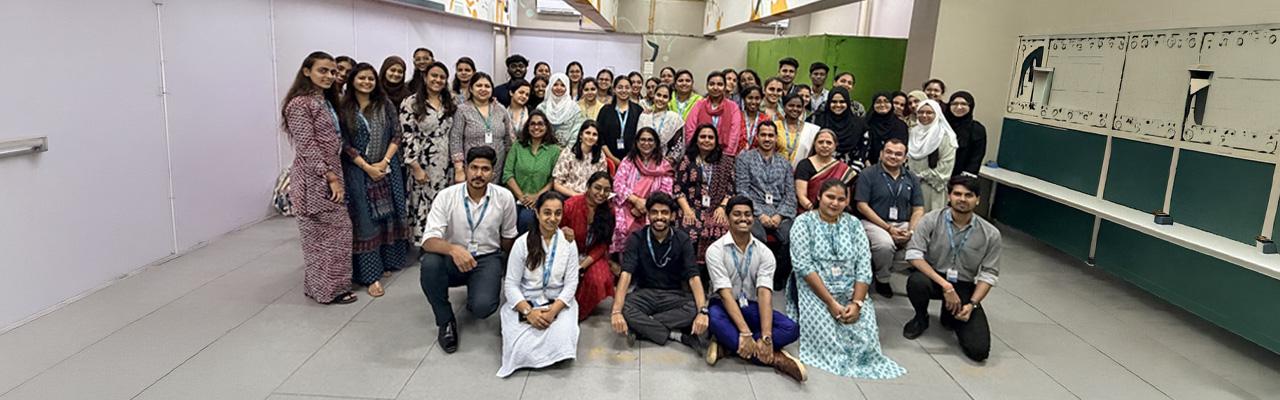
The Acres Foundation hosted B.Ed student-teachers and faculty from Smt. Kapila Khandvala College of Education at our schoolThe Green Acres Academy (TGAA), Chembur, for an academic exposure visit focused on classroom practice and school culture. Through initiatives like this, we work towards our vision of contributing to the transformation of education in India.
The visit opened with a session by Radhika Zahedi, Co-CEO (Education). The session introduced student-teachers to the Academy’s approach to teaching as an integrated system, where curriculum, instruction, and technology reinforce one another. This was followed by structured classroom observations across Grades 4-7 in English, Mathematics, Science, Hindi, and Computer Science.
During these live lessons, visitors observed how teachers engage students, use ongoing checks for understanding to guide instruction, and apply technology purposefully to support learning.
The programme also included sessions led by Noella Samuel, Head of Special Education, on inclusive schooling in practice, and Pooja Harlalka, Head of Socio-Emotional Learning, on how socio-emotional skills are built into everyday classroom routines. The visit was thoughtfully organised by Suparna Mukherjee, Head of Instruction, with many teachers supporting classroom observations and helping guide student-teachers through the school.
By opening its classrooms to student-teachers, TGAA continues to support the preparation of future educators and contribute to the wider education community.

On 12th December 2025, Pooja Harlalka facilitated an online webinar on Social and Emotional Learning(SEL) for Every Classroom, in partnership with the Unaided Schools Forum (USF). The session positioned SEL as a foundational pillar of holistic education, essential for academic achievement, emotional well-being, and lifelong success.
The webinar highlighted that SEL skills are learnable and can be intentionally integrated into daily classroom practice. Participants were guided to consider the impact of strong SEL practices on both students and adults, including improved self-regulation, stronger relationships, enhanced collaboration, and healthier classroom environments. By grounding SEL in an evidence-based framework, the webinar underscored how schools can build coherent, sustainable SEL practices that support both learning and well-being.
Designed for an audience of primary and secondary teachers, novice and experienced, the session highlighted the importance of SEL in our classrooms and how an effective SEL program can be designed using a research-backed, established framework aligned with global standards and competencies. Practical examples illustrated how emotionally regulated classrooms experience fewer disruptions and more effective learning time and participants were provided with some ready to use activities in their classrooms and an assessment to test their understanding and the opportunity to earn a certificate for the same.
You may do the free online PD course with an opportunity to earn a certificate here
You can watch full recording of the webinar here

The two hour session followed a clear arc: a brief study recap, examples from implementation, and an interactive Q&A-centering on Professional Learning Communities (PLCs). The team shared strategies to start small and sustain momentum: aligning goals, structuring meeting norms, using data to inform improvement and decisions, and documenting evidence of change.
Designed for an audience preparing to enter classrooms, the sessions highlighted how practice grows when research is translated into routines teachers can actually use – PLC Meeting templates, reflection prompts, and school-level supports that make collaboration routine rather than extra. The result was a grounded conversation that invited emerging educators to lead improvement with clarity, humility, and data.
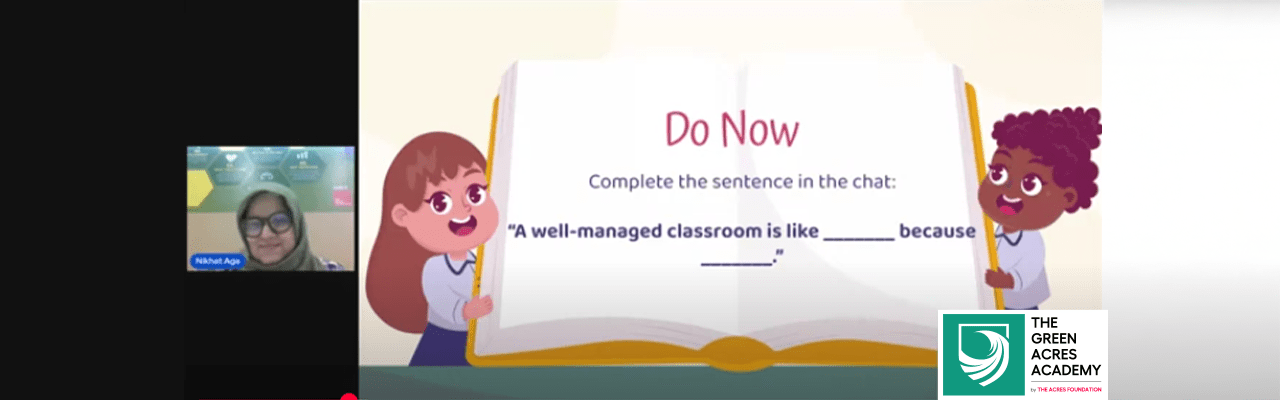
Participants explored effective strategies for managing student behaviors, establishing clear routines and habits, and promoting positive behavior to regulate classroom energy. Practical techniques such as setting consistent expectations, reinforcing routines, and using proactive management strategies were shared, along with real-life classroom examples that made the content directly applicable.
Attendees also received access to a free online course and a certificate of completion. The workshop has received 1,253 views so far, with positive feedback highlighting its actionable strategies, clarity, and relevance to everyday teaching practice.
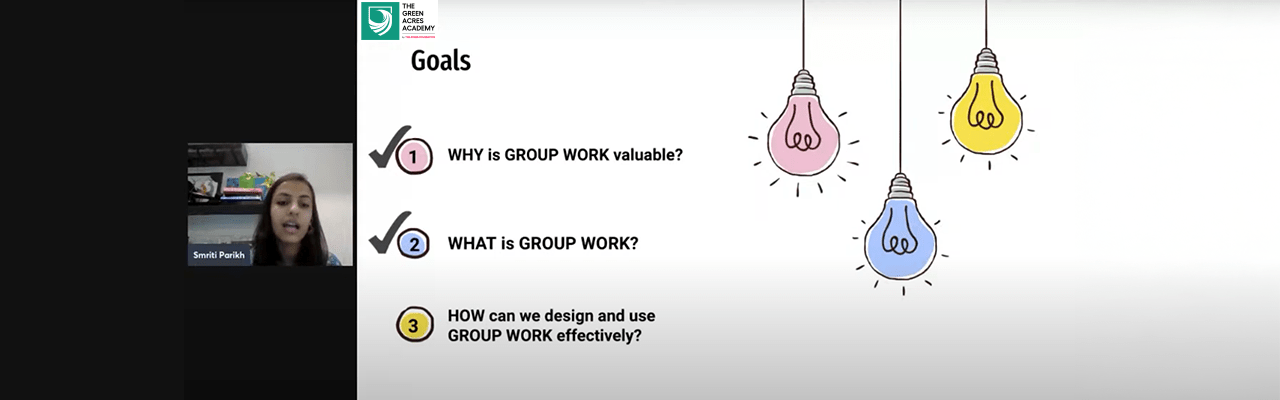
The session explored what quality group work looks like in classrooms and offered teachers practical strategies to structure and nurture collaborative learning. Participants examined how differences in authority and task rigor shape the effectiveness of group work, and learned how to use protocols and supportive classroom environments to make student collaboration purposeful and engaging.
Teachers left the workshop with a comprehensive toolkit of resources to immediately apply in their classrooms. They also gained access to a free self-paced online course, designed to deepen their learning and culminating in an e-certificate upon completion of a summative assessment.
The workshop drew strong interest across the teaching community, with the live session and subsequent recordings reaching over 1,200 educators. By combining research insights with actionable strategies, the session reinforced the importance of structured group work as a powerful driver of deeper learning.
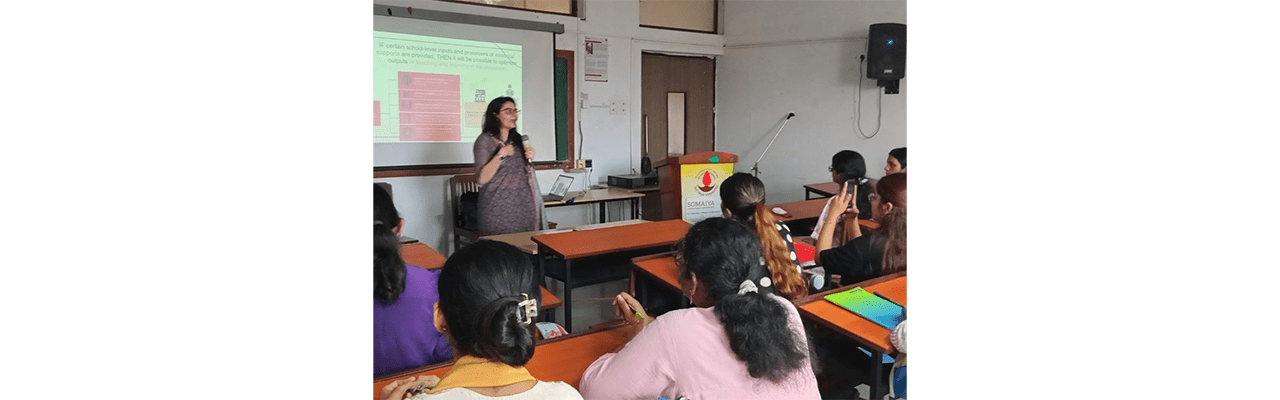
The session was led by Bonny Bhansali (Head of Educational Operations, AF & Principal , TGAA), who introduced the concept of school development and its critical role in creating effective, inclusive, and future-ready learning environments. The discussion focused on why school development planning matters, not just for infrastructure or academics, but for setting a shared vision, aligning goals, and improving outcomes for all stakeholders.
Participants were also introduced to the PDSA (Plan-Do-Study-Act) cycle, a structured framework that helps schools implement and sustain continuous improvement. Through practical examples and reflective discussion, the session emphasized how student-teachers can use this model to lead meaningful change in their future institutions.
The workshop was an enriching opportunity to engage with the next generation of educators and to share strategies and approaches that support thoughtful, data-driven school transformation.
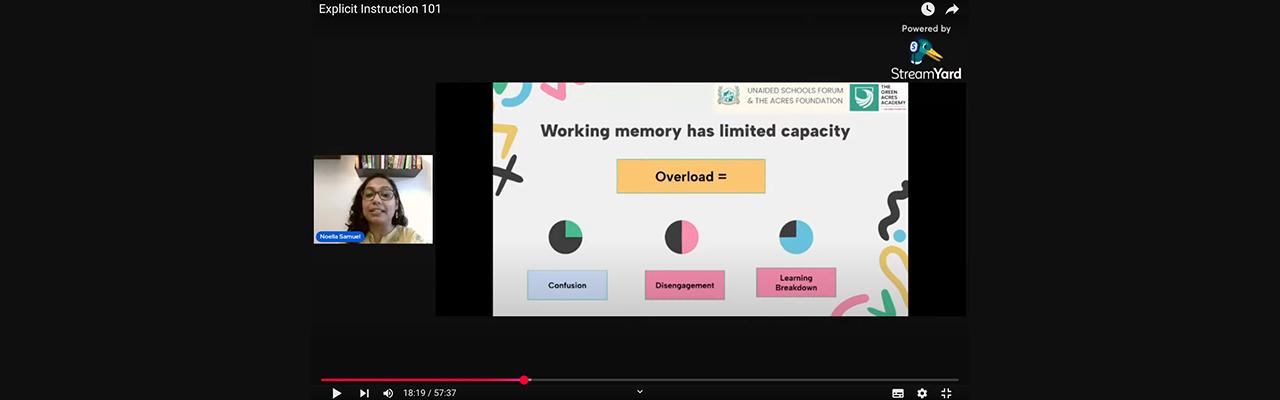
Participants explored cognitive science principles, learned how to reduce cognitive overload, and engaged in practical strategies such as crafting clear learning goals, anticipating misconceptions, and applying the “I Do – We Do – You Do” model. Real classroom scenarios and “example vs. non-example” activities ensured the strategies were immediately applicable.
The session has received 600+ views so far, with positive feedback highlighting the workshop’s clarity, practicality, and relevance to everyday teaching.

Encouraged by this experience and a keen passion for Language Arts, Mehernaz pursued a Master’s in Education from Harvard University, with a specialization in Language and Literacy. She later served as the Instructional Head at The Green Acres Academy, where she led professional development for teachers and regularly engaged with parents, driven by her commitment to continuous learning and growth. She went on to design the English Hybrid Curriculum, with a focus on deep, meaningful learning.
Since then, Mehernaz has worked as an elementary teacher at a renowned private school in the United States. Continuing her mission to empower students as agents of positive transformation in their communities, she focuses on creating engaging, impactful and inclusive learning environments.

At the Acres Foundation, she works with the research team and previously taught Citizenship and Social Change, and supported the development of innovative schooling models. Most recently, Rhea interned with Yellowdig and the Joan Ganz Cooney Center at Sesame Workshop, contributing to research on educational technology and learner engagement.
She is currently pursuing her Doctorate in Communications, Media, and Learning Technology Design at Teachers College, Columbia University and works with the Aga Khan Development Network (AKDN), exploring how technology can be leveraged to improve schools across varied geographies and socio-economic contexts.

As part of the 8-part Google for Education Training Program—designed for education professionals working to digitally transform learning environments—Radhika Zahedi (Director – Teaching and Curriculum) and Irfan Shaikh (Deputy Manager – IT) shared insights from TGAA’s digital journey.
Radhika spoke about the school’s transition to a personal device model and the powerful role student Chromebooks play in enhancing teaching and learning. Irfan highlighted the systems in place to manage device security across campuses, ensuring a safe and seamless digital experience for all users.
The session offered an opportunity to exchange ideas with professionals from across the region and contribute to the growing conversation around purposeful, secure, and innovative tech integration in schools
In addition to the main session, a short workshop curated by Google for Education focused on using Gemini to integrate AI into classrooms. Teachers gained hands-on experience in designing assessments and crafting effective prompts to maximize AI’s potential. This session helped educators enhance their digital teaching toolkit, ensuring better engagement and outcomes for students.
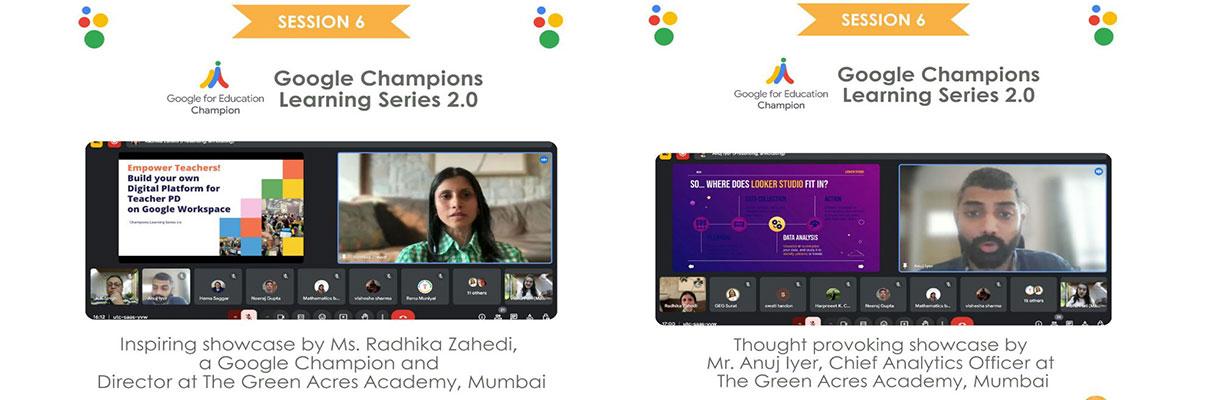
This session featured an inspiring showcase by Ms. Radhika Zahedi, Google Champion and Director at The Green Acres Academy, Mumbai, who demonstrated how their organization has built a platform for self-paced teacher professional development. Following this, Mr. Anuj Iyer, Chief Analytics Officer at The Green Acres Academy, shared their journey of making data-driven decisions with Looker Studio. The innovative use of Edu Plus licenses and Looker Studio has transformed their institution’s methodologies and outcomes.
The presentations left educators full of innovative ideas and new perspectives!
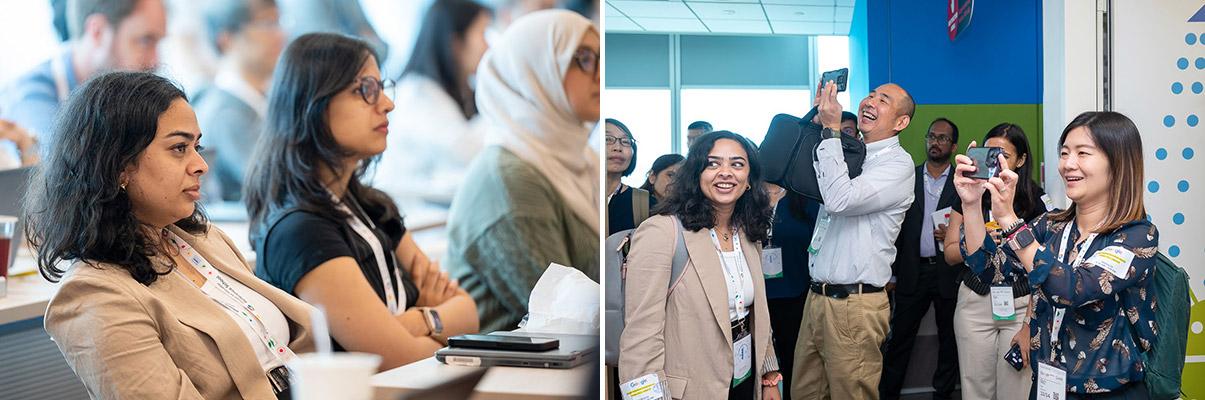
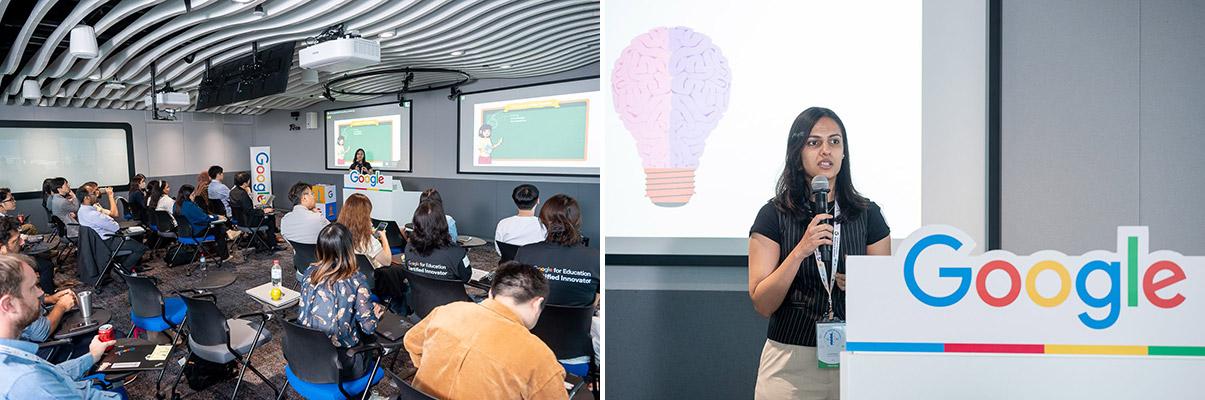
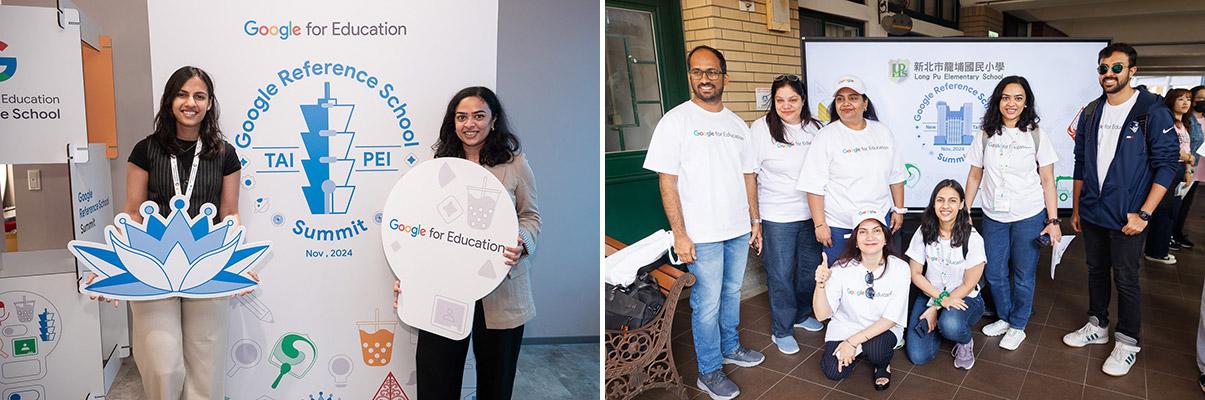

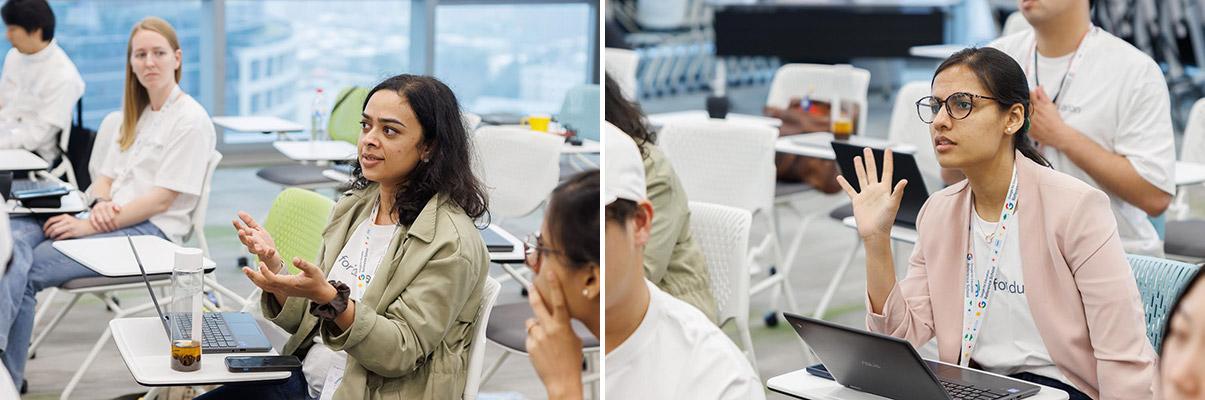
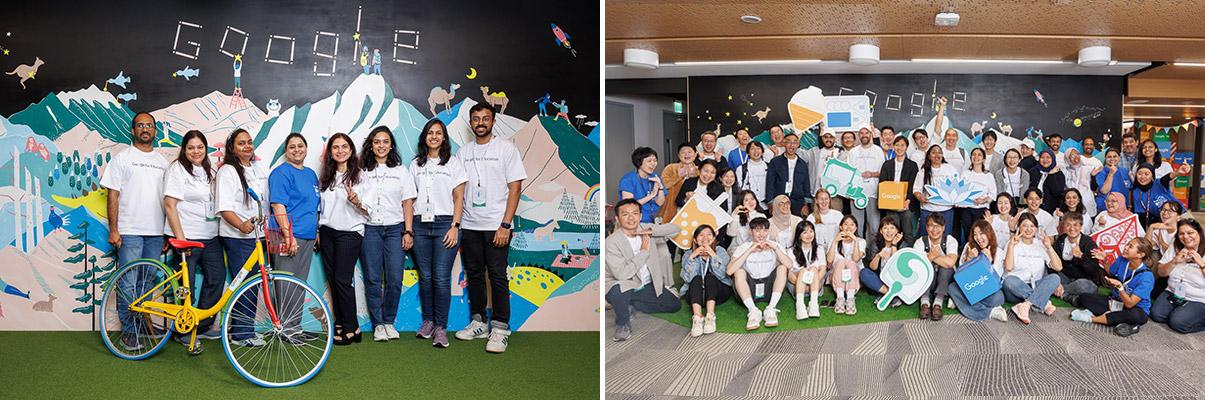
The workshop was facilitated by Google’s team members along with Ms. Sangeeta Gulati, Leader of the Google Educator Group in Delhi. Together, they guided educators through best practices for integrating Google’s advanced tools in classroom settings.
TGAA’s Contribution
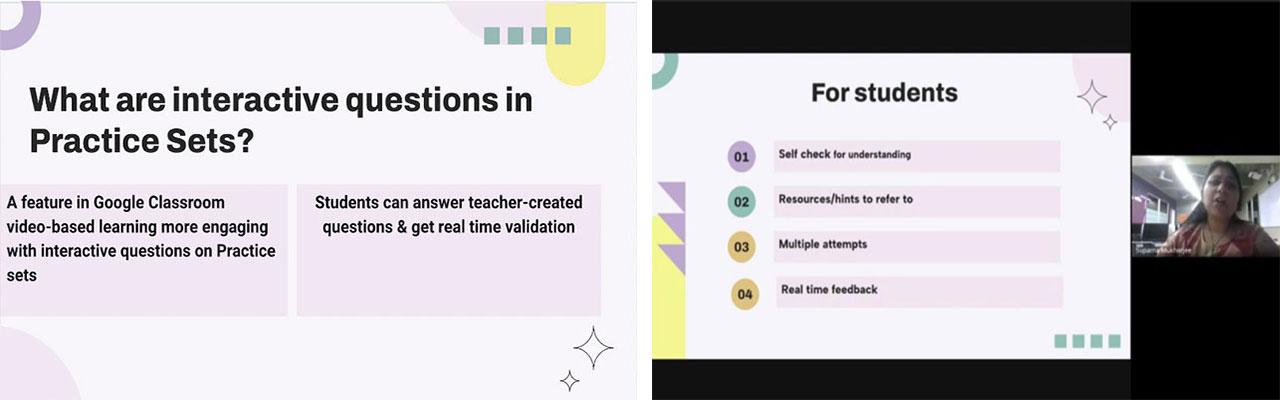
The Green Acres Academy (TGAA) played an active role in the event by demonstrating Google Classroom’s new “Practice Sets” feature. This tool empowers teachers by providing interactive lessons, enabling quicker feedback, and supporting more personalized learning. TGAA’s demonstration showcased how Practice Sets can enhance technology integration within classrooms, benefiting both students and teachers.
The demo showcased Practice Sets in action, demonstrating how TGAA teachers use them to receive real-time classroom insights and engage students in a more interactive learning process. With Practice Sets, students receive immediate feedback on their answers, helping them stay on track or seek additional hints through visual explainers and videos. Correct answers are celebrated with fun animations and confetti, further enhancing motivation and engagement. Over 94 educators engaged in learning how to incorporate Practice Sets into their classrooms.
Through this workshop, TGAA contributed to the ongoing movement towards technology-enhanced education, showcasing innovative tools that foster deeper engagement and support educators across the region.
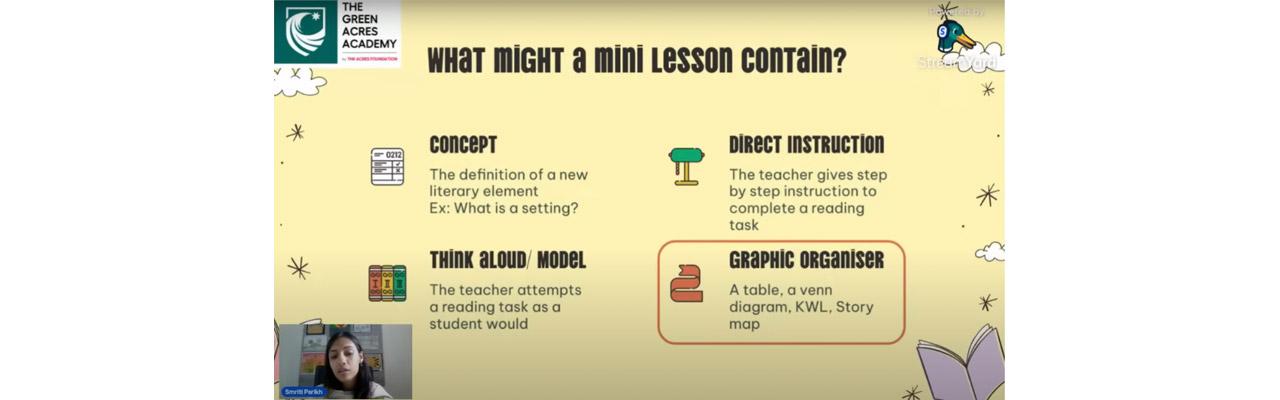
The webinar provided clear guidance on structuring lessons with pre-reading, during-reading, and post-reading activities, enabling teachers to build a comprehensive reading framework. Participants explored key reading comprehension strategies such as predicting, questioning, and summarizing, and learned how to adapt these techniques for various types of texts, including both fiction and nonfiction.
The session was attended live by 460 participants and has since been viewed by 1,300 teachers. Additionally, we released an online self-paced course based on the webinar’s key concepts, allowing participants to engage further and earn an e-certificate upon completion.
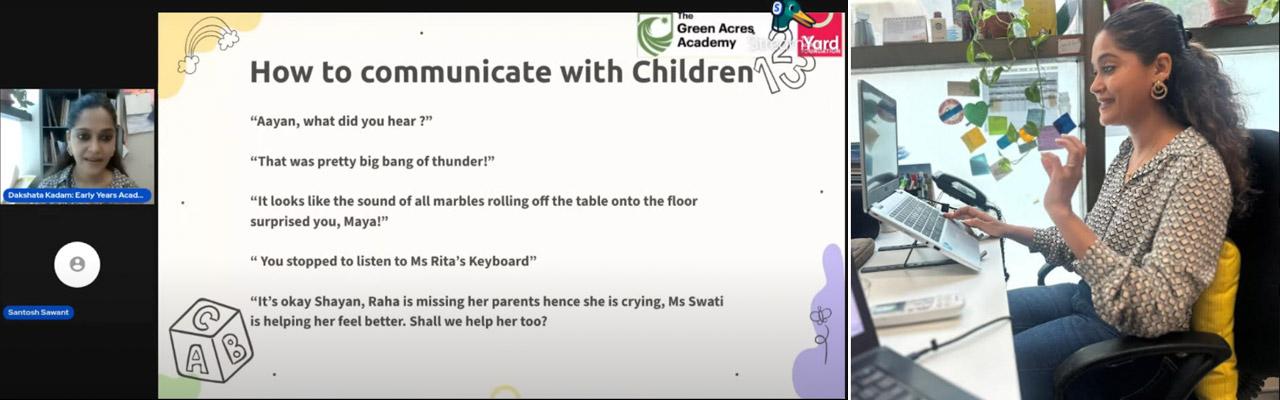
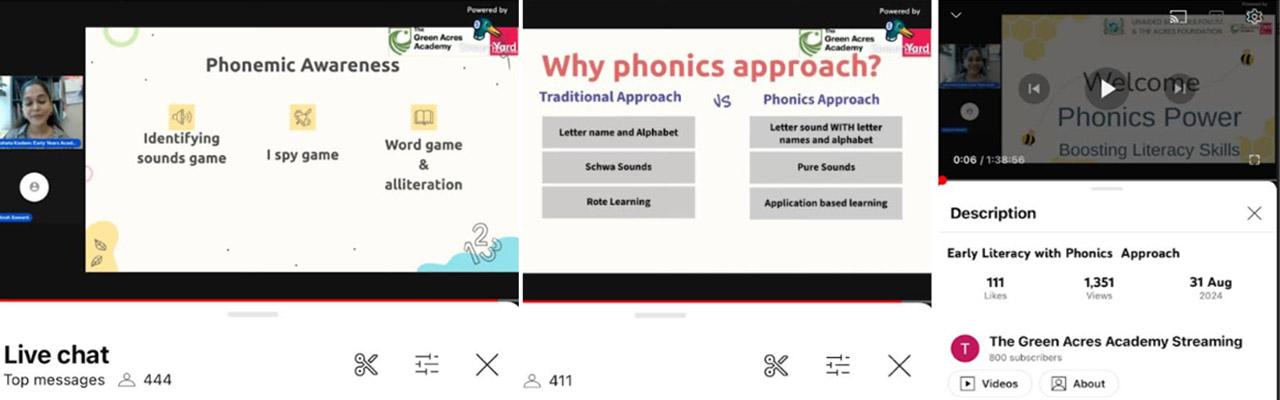
Understanding the Fundamentals of Phonics:
Participants gained a deep understanding of the relationship between sounds and letters, and how to apply this knowledge to improve reading and spelling instruction. The workshop provided practical strategies and techniques for teaching phonics in an engaging, meaningful, and developmentally appropriate manner.
The workshop was conducted online as a Webinar/YouTube Live, in collaboration with the Unaided School Forum (USF), and drew over 500 live participants and 2.5k viewers from schools across Mumbai and Navi Mumbai. During the session, we also launched our dedicated phonics website.
Participants who completed the workshop received an e-certificate, with over 100 certificates issued so far.
Together, we are committed to empowering educators and fostering a love for reading and writing in the next generation of learners.


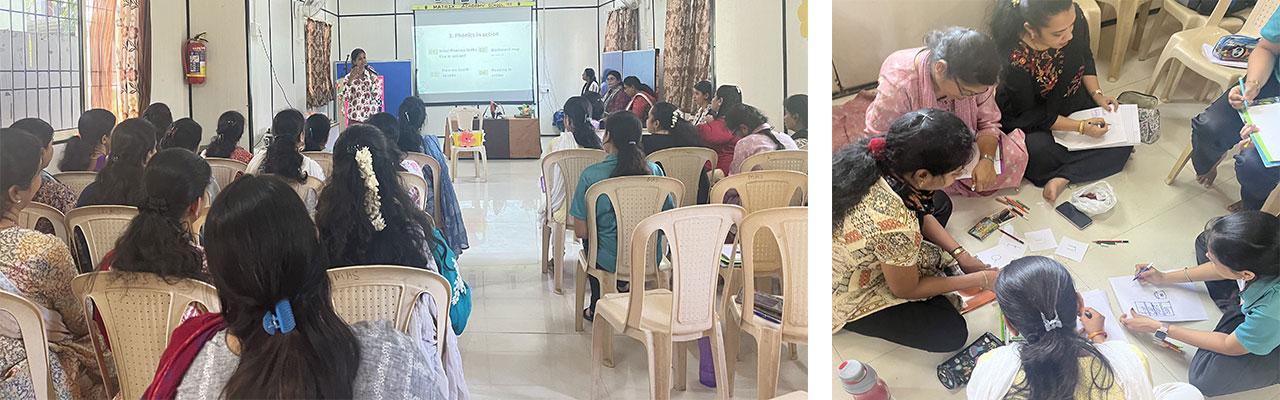
Recognizing the widespread adoption of similar teaching methodologies in ICSE, CBSE, and SSC schools, we are committed to knowledge sharing and collaboration within the educational community. To facilitate this exchange, we recently conducted a professional development session for 30 early childhood educators at Matrix School, Virar. This session was led by our Head of Academics for Early Childhood. This hybrid outreach session comprised an online course supplemented by a hands-on, face-to-face workshop. Participants engaged in lively discussions, dispelling myths, and delving deeper into effective phonics practices, alongside exploring innovative playway methodologies to enhance phonemic and phonological awareness. Teachers were afforded the opportunity to create teaching resources using minimal stationery and cost-effective materials, fostering creativity and resourcefulness in instructional design.
Through continued collaboration and knowledge exchange, we aim to further enrich the learning experiences of young learners across educational institutions.
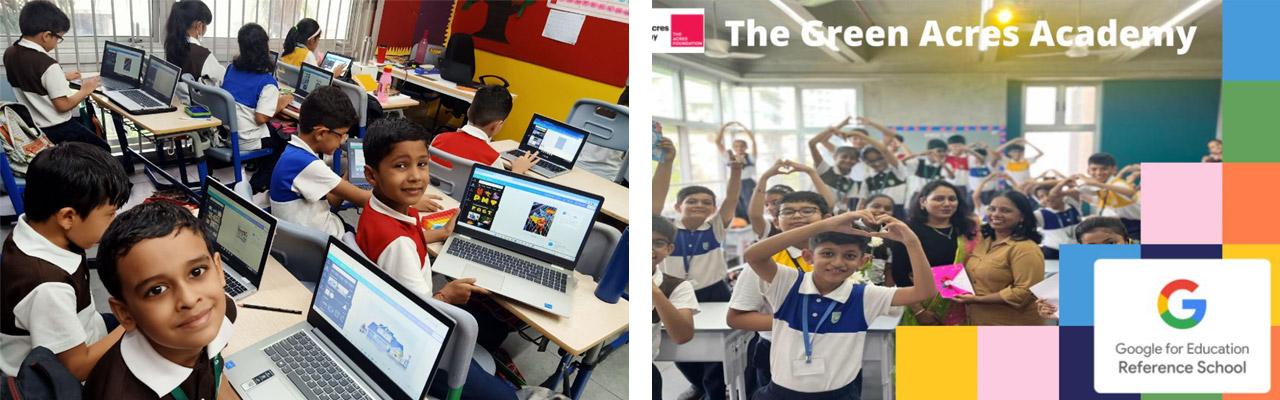
Recognizing that several schools are currently undertaking a similar journey, we believe that sharing our practical learning and insights can help them be effective in their own paths. To facilitate this knowledge exchange, we welcomed eight educators from Lighthouse Learning to learn from our experiences with digital transformation. Among the schools affiliated with Lighthouse are EuroKids International, Kangaroo Kids International (pre-school), Mother’s Pet Kindergarten, EuroSchool, Billabong High International School, Centre Point School, Heritage Xperiential Learning School, Heritage International Xperiential School, and Heritage International Xperiential School.
A half-day outreach session was organized, led by our Vice-President of Professional Development at CenTEL, who also serves as an instructional leader at TGAA, Chembur. This session included classroom observations to witness implementation in action, as well as consultations with our academic and IT team leaders who shared their insights and answered questions.
The observers spent their time in primary classrooms to gain a better understanding of how routines were established to ensure the safekeeping of devices. Across primary and secondary classrooms, the visiting school team also studied the use of 1:1 device integration for the purpose of engaging students in assessments for learning through the use of Kahoot and Peardeck extensions found on Google Workspace. This helped them see how students receive real-time feedback on student mastery and empowers them to course-correct during the course of study. In higher secondary classrooms, the students showcased the use of devices for collaboration and student-led learning as well as the responsible use of ChatGPT. They experienced students delivering instructional presentations and participating in Model United Nations, which required the students to conduct extensive guided research with their peers. Each of the classroom observations was followed by a detailed debrief around structures that led to successful use, teacher training that empowered the educators, and a culture of continuous improvement in the use of technology to elevate student learning.
Overall, it was a very positive exchange of learning and ideas!
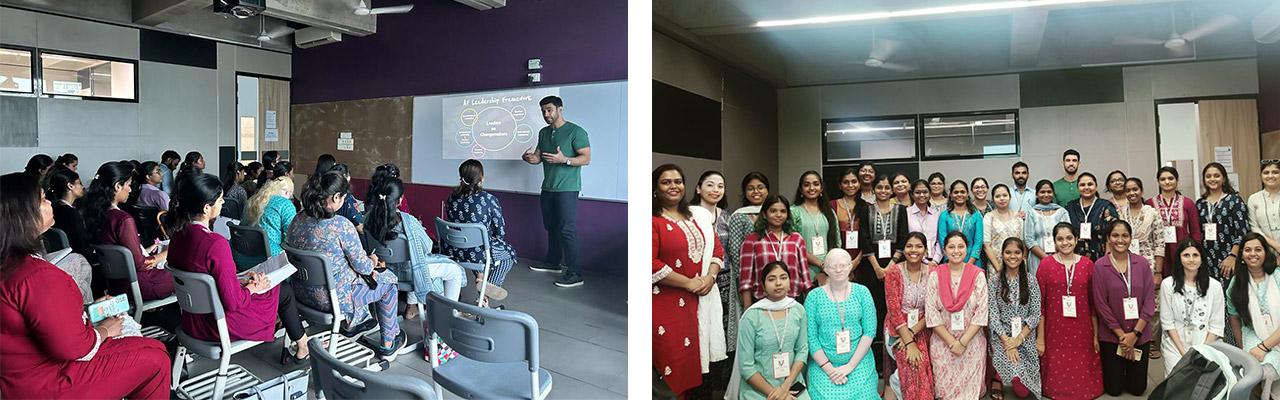
The Acres Foundation’s long-term vision is to inspire educational transformation in India and so the team was glad to support this initiative. The goal was to share important theoretical knowledge from experts and practical knowledge from experience with the next generation of teachers and teacher leaders in education.
Siamack Zahedi, our Director of Education and Research shared key leadership ideas from our schools in an interactive session. They discussed the essential qualities that educational leaders need and how schools might structure this leadership.

She carries extensive experience in Early Childhood Education, encompassing teaching and curriculum development. She has served in both teaching and leadership roles at renowned Cambridge and IB schools, including JBCN International and Oberoi International School. In addition, she has worked in Montessori and Reggio-inspired schools during her international ventures in Singapore and Canada, where she dedicated over four years to exploring diverse educational cultures and systems.
Dakshata has been a valued member of the Green Acres Academy team since 2019. She curates Early Childhood Curriculum and Teaching practices, conducts Professional Development for teachers and team members, and conducts parent webinars on various topics.
Daskhata pursued her Bachelor’s degree in Psychology and Education at Mumbai University, earned an International Certificate in Education Preschool Teaching from Asian International College, Singapore, and holds a diploma in Montessori education from AMI-Association Montessori Internationale.









Currently, she holds the position of Project Manager, Research, supporting the design and implementation of quantitative, qualitative, and mixed methods studies related to educational reform in the Indian K-12 schooling context. Additionally, she contributes to the design and implementation of needs assessment exercises and strategic improvement planning for non-profit schools across India.
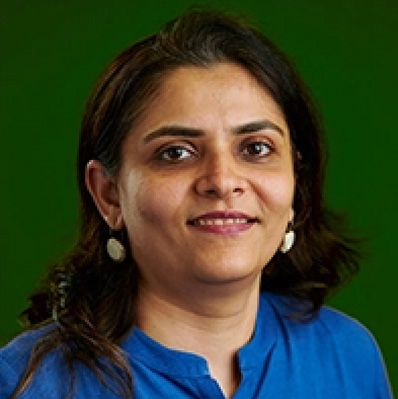
She has over 18 years of teaching and leadership experience in CBSE and ICSE schools, including her work as Assistant Centre Superintendent for UGC-NET, NEET and JEE, and the Examiner and Coordinator for AISSE (Grade 10 CBSE Exam) for which she even received a Letter of Appreciation from the Ministry of HRD, Government of India, for the stellar performance of her students in AISSE 2014.
Bonny is passionate about teaching and moulding young minds and loves being in the classroom, exploring new teaching strategies and tools, inspiring the team to strive for excellence and empowering her students to become changemakers.

She has worked with students across age groups K-12. Today, Noella serves as the Head of Department of Special Education Needs (SEN) at The Green Acres Academy school, where she supports and coaches a team of special educators and counsellors within the SEN department. She also serves as the SEN Academics Head across the Acres Foundation Network, where she is a key driver behind the development of the unique multi-tiered systems of support that Acres schools are implementing in order to effectively support the inclusion of students with disabilities.
Noella has a Masters of Education degree in Special Education from Flinders University (Australia) and a Bachelor’s of Education degree from St. Xavier’s Institute of Education (Mumbai).


Pooja then moved to the US to complete her dual Master’s Degree in Education and Counselling at Columbia University. While studying and working in New York for five years, she also worked with special needs schools, clinical psychologists, public jails, and multiple psychotherapy and counselling centres, to serve children and adults with mental health disorders.
Pooja currently serves as the Head of Counselling at the Acres Foundation, where she is a key driver behind the development of the multi-tiered systems of support approach to inclusion of students with disabilities. She is also the lead designer of the social-emotional learning (SEL) program at the Acres Foundation called LEAPED (Leadership, Ethics & Awareness of Personal & Emotional Development).

Subsequently, Sanyukta joined A2Q Education consultancy and supported a diverse set of formal and informal schools in and around India. Her areas of expertise include school design and leadership, curriculum design, teaching, auditing schools and programs. Some of her accomplishments include creating an alternative school model for high-school dropout girls in urban India, mentoring the school leadership at a CBSE School in Pune for two years, implementing an award-winning service learning project at an ICSE school in Mumbai, and many more.
Today, Sanyukta is the lead designer of the Acres Foundation Citizenship Program, and also supports partner organizations as a School Mentor. She has a Master’s in Education from Columbia University, and she has also worked closely with professors as a Research and Teaching Assistant during her time there.

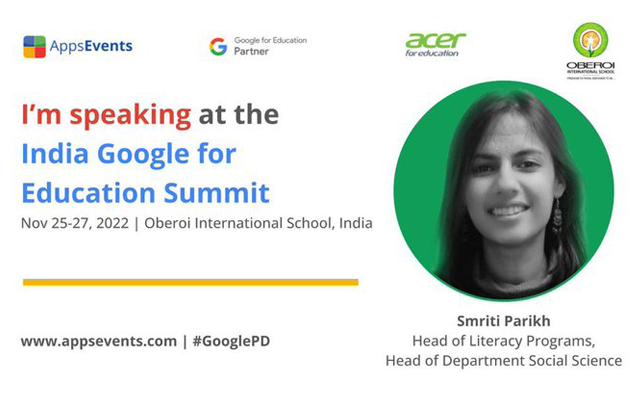
Smriti is passionate about designing language learning experiences rooted in cultural contexts, which aim at developing essential academic and life skills. Her expertise is in creating rigorous and integrated academic programs for students that foster safe spaces and promote authentic engagement. She is also enthusiastic about teacher professional development and coaching, and works on generating opportunities for the same.
Smriti completed her Master’s Degree in Learning & Teaching from Harvard Graduate School of Education in 2019. During her studies, she also interned at Making Caring Common, where she analysed qualitative data on school climate in order to produce school-based programs that develop empathy, kindness, and safety among students. Smriti currently serves as the Head of Humanities and Literacy at the Acres Foundation Network.

Following these initial experiences, Anuj completed his Master’s Degree in Education from Harvard University (USA). He then returned to India and co-founded an educational consultancy, A2Q Education in 2016. This supported a diverse set of formal and informal schools in and around India that served over 7,00,000 students. A2Q merged with the Acres Foundation (AF) in 2018, and today, Anuj heads the Data Analytics Team for the AF Schools.
He is passionate about helping schools gather and use meaningful evidence from data & research to inform their educational practices and benchmarks. He specializes in designing and implementing frameworks to evaluate specific programs in educational settings, as well as systems for 360-degree monitoring and evaluation to support data-driven decision-making at the institutional level. Additionally, he supports the design and authoring of empirical research studies being carried out and published by the Acres Research Centre.
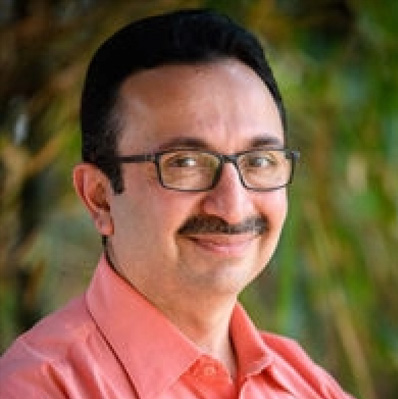
He was also the founder of the Lohana’s Test Series for Grade X, XII and TY BCom students, which had gained popularity across Maharashtra.
Aaditya is a qualified chartered accountant and also completed a degree in law. He currently serves as the Executive Director of Business Development at the Acres Foundation, where he spearheads education partnerships and outreach.

She has experience as a school Principal, math teacher-coach, math and science teacher, and curriculum designer in a variety of settings including IB, IGCSE, municipal schools in Mumbai, public schools in New York City, a rural school in Tripura, and a special needs school too.
Radhika is passionate about building learning organisations such as schools with a culture of continuous learning and innovation filled with empowered leaders, teachers, parents and students. As a school leader, she has supported this empowerment of all stakeholders through professional development programs and a shared vision, one that focuses all efforts towards improving student learning.
Also, she has used her decade of classroom teaching experience to champion curricular programs that focus on deep, meaningful learning and teacher development programs that improve not just teacher knowledge but also their teaching practices quickly.
Radhika has a Master’s Degree in Mathematics Education from Teachers College, Columbia University (USA), and a Bachelor’s Degree in Engineering from Mumbai University.

He is currently serving as the Group CEO of the ANP Group where he is responsible for the overall functioning of the organisation. He has over 20 years of global work experience, having worked in Australia, China, The United Kingdom, Canada and India. He is a proponent of ‘distributed leadership’, and he oversees a group of talented teams of H.R., I.T., Administration, Finance & Accounts, Legal & Construction.
Tejas enjoys spending time with his wife and two young boys. He is an ardent F1 fan in addition to following Tennis, Football and Basketball. He enjoys science fiction, reading business biographies, and he has an ear for music. He is deeply passionate and involved in the well-being of impoverished and underprivileged children and supports charities in India for the same.

He established his first formal school in 2007 in a small township in Tripura, with the vision of empowering students to become agents of positive transformation for their communities. Next, he established the Gateway School of Mumbai, a special education needs school. Both schools have been recognized for their innovative practices in pedagogy and leadership by the International Ashoka ‘ChangeMaker School’ network.
Siamack then founded A2Q Education, an educational consultancy, in 2016. His team worked on a diverse set of projects in and around India, including strategising the turnaround of failing schools, designing low-cost research-based teacher development strategies, conceptualising and overseeing the establishment of alternative schools for marginalised populations, and supporting dozens of educational improvement projects that served over 7,00,000 students.
A2Q merged with the Acres Foundation in 2018. Siamack took up the role of Director of Education and Research wherein he spearheads the design and implementation of the unique Acres K-12 educational model along with initiatives of the Acres Research Centre.
Siamack has earned his Master’s Degree in Education from Columbia University (USA), and his Doctorate degree in Entrepreneurial Leadership in Education from Johns Hopkins University (USA).
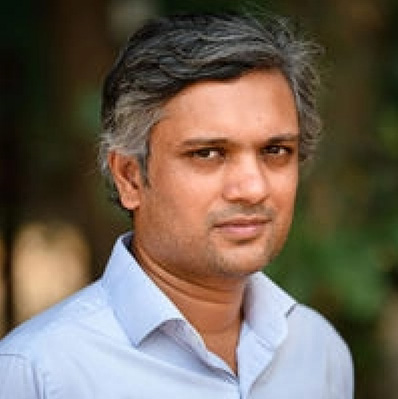
Rohan chose to foray in education by founding The Acres Foundation, an educational group that brings together the finest educators to chart out new pathways in education. In 2013, they founded the highly acclaimed The Green Acres Academy, an ICSE curriculum school, that aims to provide affordable yet holistic and well-rounded education by adapting the latest research in teaching and learning techniques within the Indian context.
Rohan sits on the board of Action Against Hunger, India’s foremost anti-malnutrition charity, and is the founder of the Citizens Archive of India. He also writes opinion columns for the Indian Express in his spare time.
Rohan has a BSc in Economics from Wharton Business School, an MBA from INSEAD, and has earned a Master’s Degree in Education from Johns Hopkins University.